
Non-Toxic Interior Design
& Why You Should Care

Download The Healthy Home Starter Kit PDF
Get started today with the official Starter Kit that covers common home toxins, statistics, Kaleigh’s preferred safe swaps, and an “Is Your Home Safe?” Quiz

To Have and to…Mold?!
Our story.
Five year after meeting at a remote waterfall in upstate New York, Kaleigh and her husband, Ryan, were married under the mountains of Hood River, OR in June 2019. The devotion they had just pledged to one another would be tested sooner than either could have imagined.
In August 2022, after six terrifying months of a mystery flesh-eating bacteria spreading along his hands and arms, Ryan was diagnosed with Mold Toxicity Poisoning. The toll, both physical and mental, was undeniable as they confronted a life where everything they had built together for almost ten years had to be tossed out due to contamination.
Each medical consultation unveiled a deeper understanding of the profound connection between our surroundings and our health.
The same toxins that shut down Ryan’s system — leaving him on an 2 year disability leave — are present in most American homes. And while not everyone will have the same obvious reaction as Ryan, the creeping damage is inevitable.
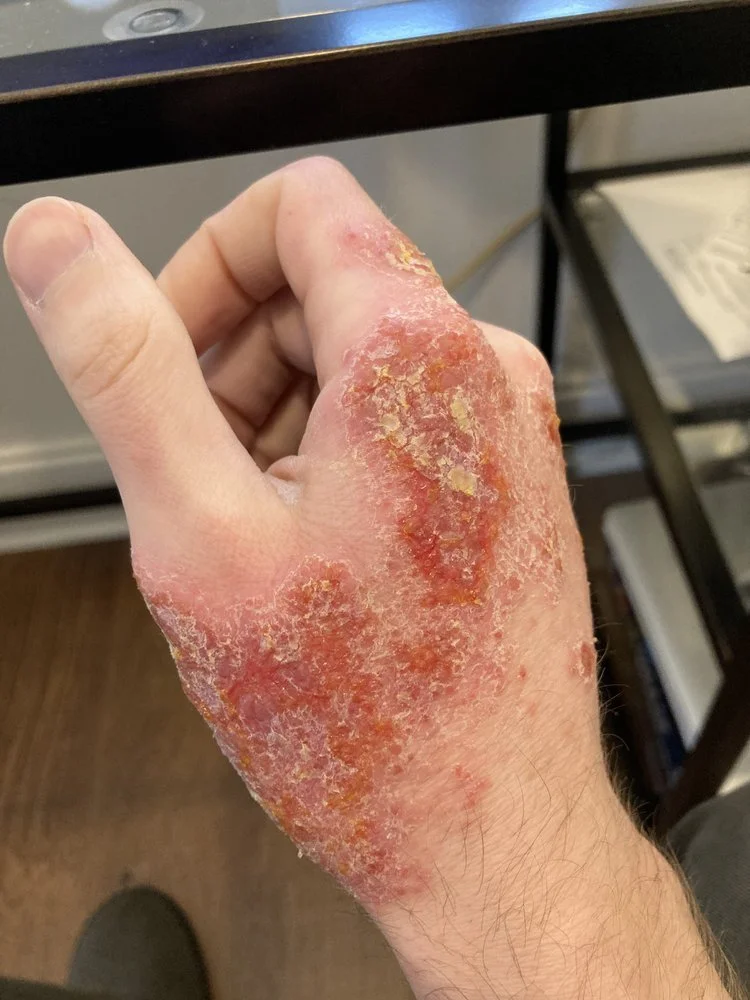


Why should you care about “non-toxic” design?
Over 80,000 new chemicals have been released into the world, the majority untested and unregulated - and they’re in your home. Furniture companies have no obligation to make customers aware of these toxins.
Exposure to toxins like VOCs over time can cause major health issues, with effects ranging from lung damage to brain issues to cancer.
78% of homes in American contain trace amounts of mold with 28% of the population having mold sensitivities that threaten their health.
EXAMPLE NON-TOXIC CHOICES
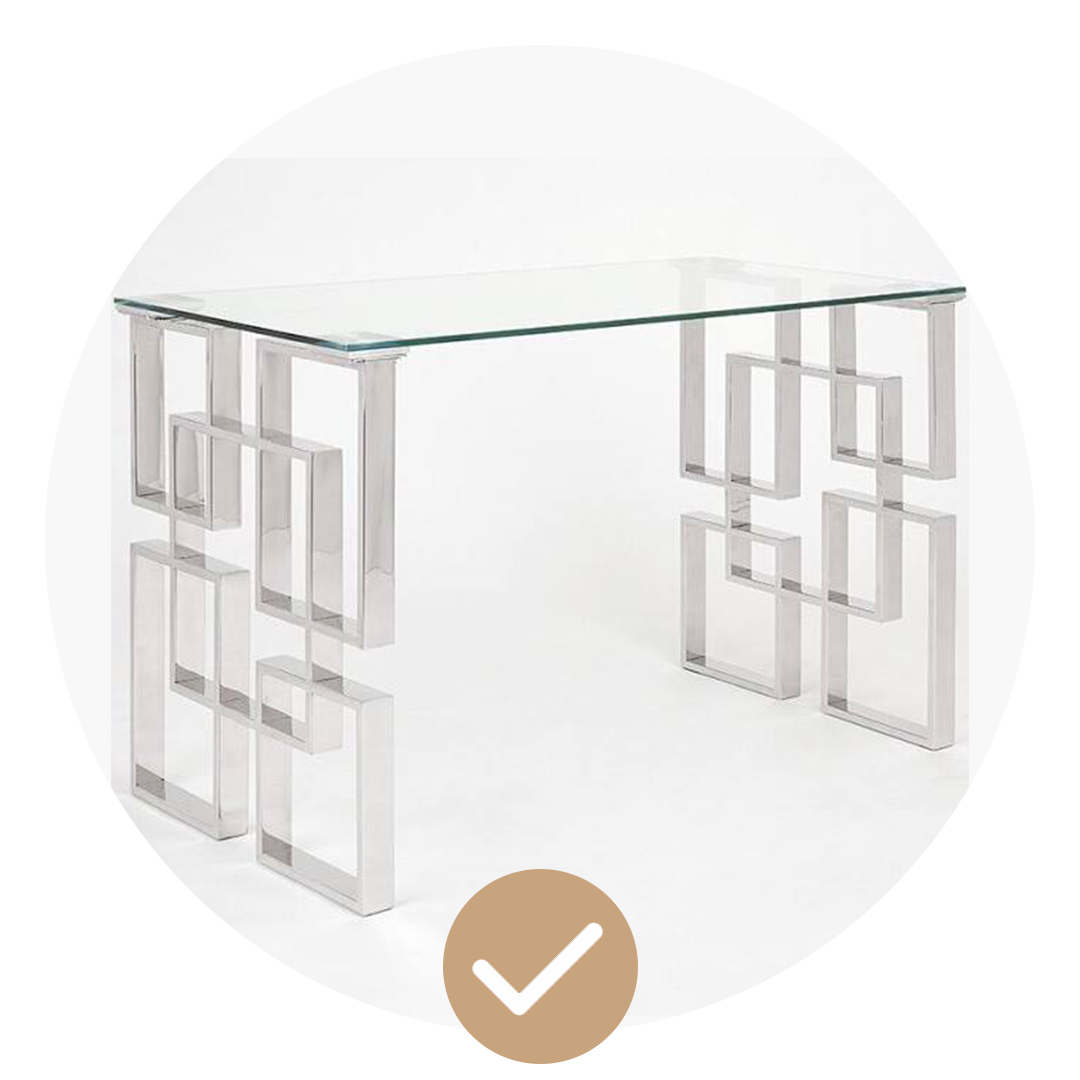

Glass and metal can be neutralized with an ammonia solution or EC3
Not only is medium-density fiberboard (MDF) one of mold’s favorite meals due to it’s porous nature, but its off-gassing is hazardous.


Vegetable vs chrome-dyed leather is non-toxic and just as beautiful.

Modern furnishings are often treated with unnecessary toxic flame retardants and Formaldehyde adhesives.
Many companies like Interior Define and Pottery Barn are prioritizing non-toxic upholstery.
